
Is Hip Pain Slowing You Down?
29 Fitzwilliam Street Upper, Dublin, D02 V6K6, Ireland
Paid on street parking available

Download Your FREE Hip Pain Information Pack:
“7 Top Tips To Avoid Hip Pain”
Click the button below to get your FREE Report
Does Any of This Sound Familiar?
Do you have pain in your hip when you get up in the morning or after sitting a while?
Have you been to lots of clinics but are still in pain?
Have you spent a lot of money on various treatments that didn’t fix your problem?
Have you been told that painkillers are the next step?
Have you started to worry that you will never get rid of this hip pain and may never get back to doing the things you love to do?
If you answered YES to any of the above, you're not alone. At Sports Physio Ireland we hear stories like this every single day and we know EXACTLY how to help fix your hip pain.
Dublin’s Most Reviewed Physio Clinic - 1,500+ Reviews
Dublin 2 & Dublin 7
Still Feeling A Little Confused About Your Condition And Don't Know What To Do?
#1 Option (👍 most popular)

#2 Option - Send Us a Message

#3 Option - Book Appointment

What Causes Hip Pain?... And Why is Your Hip Pain Not Getting Better?
If you're experiencing hip pain, stiffness, or discomfort, it's often tempting to brush it off, assuming it's a passing issue that will resolve on its own. You might attribute it to overexertion or simply consider it a common ache or stiffness associated with ageing.
There’s no obvious reason why it happened – but it doesn’t seem to be shifting and its been there a good while now.
If that’s happening to you, you’re not alone – persistent hip pain is one of the most prevalent issues we see at Sports Physio Ireland.
Hip Pain Recovery Plan
Step-by-Step Video Guide
Frustrated With Your Hip Pain?
Not sure who to ask?
Not sure what to do next?
Not sure who can help?
Please fill out the form below and chat with one of our team members about your right next step
The Sports Physio Ireland Hip Pain Relief Programme
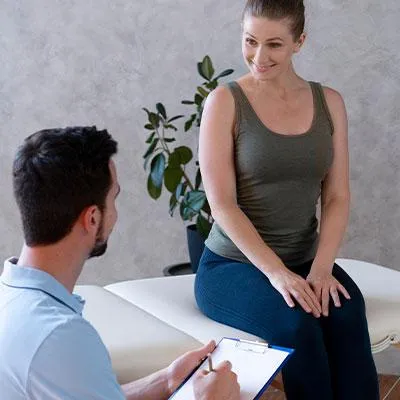
Step 1 - Comprehensive Hip Examination
Our experienced and knowledgeable therapists will examine :
Your hips range of movement
Your joints alignment
The quality of movement in both hips
Your muscle strength and tone
This process will help identify exactly what is causing your hip pain.

Step 2 - Customised Treatment Plan
The team at Sports Physio Ireland are experts in treating hip pain.
We use the latest medical research and technology to produce a bespoke treatment plan to get you back fit and active doing all the tings that your hip pain is stopping you doing.
Step 3 - Recovery
Each treatment aims to gently and progressively get your hip moving again without pain, as quickly as possible, to allow you to get back to normal and start doing the things you love.
We will give you a structured rehabilitation exercise program, to help break the cycle and prevent the problem from returning.
Quick Answers For Hip Pain
What causes hip pain?
Hip pain is a broad term covering a wide range of conditions, and getting the diagnosis right is the most important first step. The most common hip conditions we treat at Sports Physio Ireland include: greater trochanteric pain syndrome (hip bursitis), which causes pain on the outside of the hip; hip flexor strains or tendinopathy, common in runners and cyclists; hip osteoarthritis, particularly in patients over 50; labral tears, especially in younger active patients and GAA or football players; piriformis syndrome and deep gluteal pain; and referred pain from the lower back, which frequently presents as hip pain. Many patients who come to us with hip pain have been told to rest when the actual issue requires targeted strengthening.
How do I know if my hip pain is serious?
Most hip pain is not serious and responds well to physiotherapy. However, seek medical attention if: your hip pain follows a fall and you cannot bear weight on the leg, you have severe groin pain with fever, the pain is constant, severe, and unrelated to movement. For all other hip pain - even long-standing pain you have been told is 'just wear and tear' - a physiotherapy assessment is an appropriate first step, and often leads to significant improvement.
Why does my hip hurt when I sit for long periods?
Pain in the hip or deep buttock after prolonged sitting is a very common complaint in Dublin, particularly among cyclists, office workers and commuters. It is most often caused by hip flexor shortening and gluteal muscle weakness from extended periods of sitting, piriformis tightness compressing the sciatic nerve (causing hip and buttock pain), or hip joint stiffness reducing tolerance to sustained positions. Physiotherapy treatment addresses both the symptoms and the root cause, typically combining hip mobility work, specific strengthening, and advice on sitting posture and movement breaks.
Is hip pain common in Cyclists and GAA players?
Yes. Hip and groin pain is one of the most common complaints in both cyclists and GAA players at all levels, and it is an area of significant expertise at Sports Physio Ireland. The demands of Gaelic football and hurling - explosive sprinting, rapid direction changes, kicking, and striking - place high loads on the hip flexors, adductors, and hip joint. Cycling involves the same highly repetitive movement thousands of times, prolonged riding in a fixed position repeatedly stresses the hip flexors and deep rotator muscles. Whether from the multidirectional impacts of GAA or the deceptive overuse inherent in cycling, common athletic conditions include adductor strains, groin tendinopathy, athletic pubalgia (sports hernia), and femoroacetabular impingement (FAI).
How does physiotherapy treat hip pain?
At Sports Physio Ireland, hip pain treatment begins with a thorough assessment to identify the specific structure involved and any contributing factors. Treatment is typically a combination of manual therapy to restore hip joint and soft tissue mobility, targeted strengthening for the gluteal muscles and hip stabilisers (which are often deficient in people with hip pain), activity modification advice, and a progressive return-to-activity programme. For athletes, we include sport-specific loading to ensure full readiness for return to training and competition.
Is The Hip Pain Programme Right For You?
Our team of physiotherapists at Sports Physio Ireland are experts in treating hip pain, helping 1000's of patients get back to walking and running with relief from hip pain.
Here’s just a few of the things our physio team can do for you:
We can tell you on Day ONE “what you have, why you have it, and how to get rid of it”
We can help you find out what’s really going on, and get to the root cause of your hip pain once and for all – often inside 20 minutes
We can help you to enjoy living with more energy each day
We can help you put an end to taking all of those painkillers that are no good for your health long-term
We can help you avoid surgery – and painful injections
We can help you keep out of the doctor’s waiting room or from making repeat visits only to be given more pills!
We can help you get back to enjoying quality time with family and friends that hip pain has stolen from you
We can help you keep active and live a full life free from the curse of hip pain.
What's next? You've got a decision to make - another month gone by without solving your hip pain problem, or are you ready to get back to doing the things you love?
Is Your Hip Pain Slowing You Down? Take Us Up on One of Our Free Options
Option #1 (👍 most popular)

Option #2

From Initial Booking to Mobility
What to Expect at your First physio Appointment
We're excited to see you at your appointment! We want to make sure you feel comfortable and well-informed, so don't hesitate to ask us any questions about our roadmaps, our facilities, or even our payment options. Our goal is to help you get back to your best, so let's work together to make that happen!
Discuss your activity and goals
Complete assessment
Discover your options
Start a custom plan

Here's Why Over 10,000+ People Choose Sports Physio Ireland
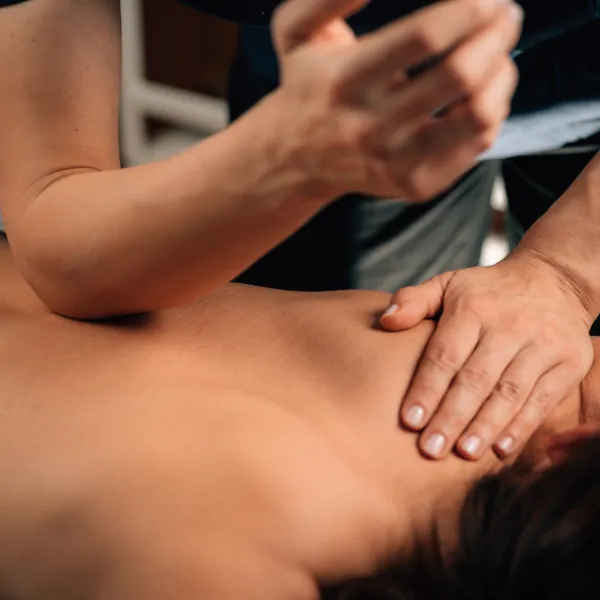
Specialised Expertise: We offer specialised care from highly-trained individuals in various fields like sports care, strength & mobility and support.
Comprehensive Approach: We provide holistic plans combining manual techniques, exercises, and cutting-edge technology for a well-rounded approach.
Cutting-Edge Facilities: Equipped with state-of-the-art facilities and advanced equipment to support you on your journey.
Proven Track Record: Our reputation is built on successful outcomes and positive feedback, fostering a supportive environment.
Frequently Asked Questions About Hip Pain
What causes hip pain?
Hip pain can arise from various factors, including osteoarthritis, rheumatoid arthritis, hip fractures, bursitis, tendonitis, muscle strains, or referred pain from the lower back.
How is hip pain diagnosed?
Diagnosis often involves a physical examination by a healthcare professional to assess range of motion, strength, and any signs of injury or inflammation. Imaging tests like X-rays, MRI, or CT scans may be ordered to identify specific issues.
What are the best treatments for hip pain?
Treatment for hip pain often includes rest, pain management (e.g., medication or injections), physical therapy, exercises to strengthen hip muscles and improve flexibility, and sometimes, in severe cases, surgery.
How long does it take to recover from hip pain?
Recovery time varies based on the cause and severity of the hip pain. Acute cases might improve within a few days or weeks, while chronic hip pain might require ongoing management and take longer to alleviate.
Should I rest or stay active when experiencing hip pain?
While rest is important initially, maintaining some level of gentle activity and specific hip exercises, as advised by a healthcare professional, can often aid in recovery and prevent stiffness.
What lifestyle changes can help prevent hip pain?
Maintaining a healthy weight, regular exercise to strengthen hip muscles, avoiding overuse or sudden increases in activity, and using proper techniques for lifting or carrying heavy objects can help prevent hip pain.
When should I see a physiotherapist for my hip pain?
It's advisable to seek medical attention if hip pain is severe, persistent, or accompanied by swelling, redness, fever, or difficulty bearing weight on the affected leg.
Can hip pain lead to other complications?
In some cases, chronic hip pain might lead to reduced mobility, muscle weakness, or restricted daily activities if left untreated. Seeking timely medical advice can help prevent potential complications.
Are there specific exercises that can help with hip pain?
Yes, certain exercises targeting hip mobility, strengthening, and flexibility can alleviate hip pain. Your healthcare provider or physiotherapist can recommend specific exercises tailored to your condition.
What are some ergonomic tips for managing hip pain during daily activities?
Ensuring proper posture, using supportive chairs, avoiding activities that exacerbate hip pain, and practising relaxation techniques to reduce muscle tension can help manage discomfort during daily tasks.
Can hip pain be caused by a back problem?
Yes, this is very common. The lumbar spine (lower back) and hip are closely connected, and pain from a disc issue, nerve compression, or facet joint problem in the back can present as hip or buttock pain. It is sometimes called referred pain. A skilled physiotherapist can distinguish between true hip pain and referred hip pain from the back through clinical testing, and will treat the correct source. At Sports Physio Ireland, we routinely assess both the hip and lower back when patients present with hip-area pain.
How long does hip pain take to get better with physiotherapy?
Recovery time varies by condition and person. Hip bursitis and hip flexor strains often respond within 6 to 8 weeks of physiotherapy. Hip osteoarthritis management is ongoing but most patients see significant pain reduction and improved function within 8 to 12 sessions. Labral tears and more complex structural issues may take 3 to 6 months. Your physiotherapist will give you a clear timeline and set of milestones at your first assessment.
Should I avoid exercise with hip pain?
In most cases, no. Staying active is important for hip health, and complete rest is rarely the right approach. Your physiotherapist will advise which activities to continue, which to temporarily modify, and which specific exercises will help your recovery. For many hip conditions, targeted strengthening is not just safe - it is the primary treatment.
Please note that these FAQs provide general information and should not replace personalised advice from a qualified healthcare professional. It is important to consult with a trusted physiotherapist to assess your individual case and determine the most suitable treatment plan for your hip pain.
Frustrated With Your Hip Pain?
Not sure who to ask?
Not sure what to do next?
Not sure who can help?
Please fill out the form below and chat with one of our team members about your right next step
Dublin 2
Opening Hours
Monday: 7:00am - 8:00pm
Tuesday: 7:00am - 8:00pm
Wednesday: 7:00am - 8:00pm
Thursday: 7:00am - 8:00pm
Friday: 7:00am - 8:00pm
Saturday: 7:00am - 3:00pm
Sunday: Closed
(01) 482 6902 (We are available 24/7 via phone)

Dublin 7
Opening Hours
Monday: 7:00am - 7:00pm
Tuesday: 11:00am - 7:00pm
Wednesday: 7:00am - 3:00pm
Thursday: 7:00 am - 7:00 pm
Friday: 7:00 am - 3:00 pm
Saturday: 7:00 am - 3:00 pm
Sunday: Closed