
Are You Looking For a Solution To Your Achilles Tendon Pain In Dublin 2 & Dublin 7?
29 Fitzwilliam Street Upper, Dublin, D02 V6K6, Ireland
Paid on street parking available


Download Your FREE Achilles Tendon Information Pack:
“4 Secrets To Solving Your Achilles Tendon Pain”
Click the button below to get your FREE Report
Does Any of This Sound Familiar?
Do you experience pain in your Achilles when you get up
in the morning or after sitting for a while?
Have you visited multiple clinics, but still can't find relief from your Achilles Tendonitis?
Have you invested a lot of money in treatment or orthotics that didn't fix your Achilles tendonitis pain?
Do you avoid walking because of the anticipated pain in your Achilles tendon?
Has it been recommended to you to receive an injection
as the next step for your Achilles tendonitis?
"Have you started to worry that you will never get rid of your Achilles tendonitis and may never be able to do the things you love?"
If you answered YES to any of the above, you're not alone. At Sports Physio Ireland we hear stories like this every single day and we know EXACTLY how to help fix your Achilles tendonitis.

Dublin’s Most Reviewed Physio Clinic - 1,500+ Reviews
Dublin 2 & Dublin 7
Still Feeling A Little Confused About Your Condition And Don't Know What To Do?
#1 Option (👍 most popular)
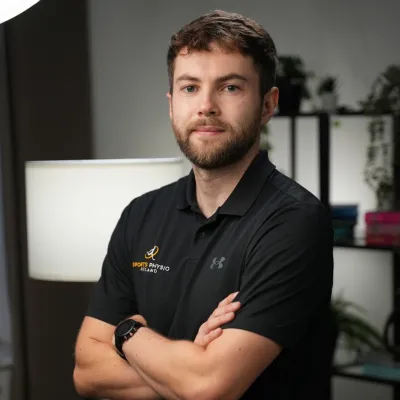
#2 Option - Send Us a Message

#3 Option - Book Appointment

What Causes Achilles Tendonitis... And Why is Achilles Pain Not Getting Better?
Achilles tendonitis is a prevalent overuse injury that occurs due to repetitive stress on the Achilles tendon, which connects the calf muscle to the heel bone. Achilles tendonitis treatment may be needed when the pain and other symptoms do not settle with rest.
Symptoms of Achilles tendonitis include pain, tenderness, swelling, stiffness, and reduced range of motion in the back of the ankle.
This condition is most commonly observed in athletes, particularly runners, and often develops as a result of sudden increases in the intensity or duration of physical activity.

Achilles Tendonitis Recovery Plan
Step-by-Step Video Guide
Frustrated With Your Achilles Tendonitis?
Not sure who to ask?
Not sure what to do next?
Not sure who can help?
Please fill out the form below and chat with one of our team members about your right next step
The Sports Physio Ireland Achilles Tendonitis Pain Relief Programme
Step 1 - Evaluation and Diagnosis
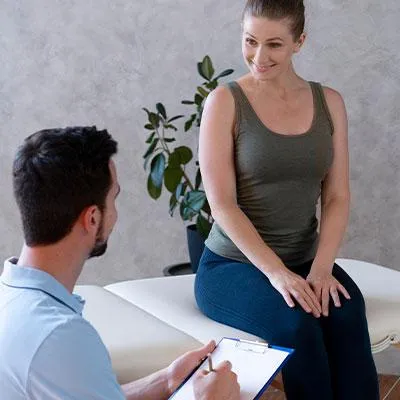
In the initial stage, a physiotherapist will assess your symptoms, medical history, and perform a physical examination.
They may also order diagnostic tests like imaging (such as X-rays or ultrasound) to evaluate the severity of the condition and confirm the diagnosis of Achilles tendonitis.

Step 2 - Conservative Treatment
The next stage typically involves non-surgical or conservative treatment options. This may include:
Rest and activity modification: Reducing or avoiding activities that aggravate the condition.
Ice therapy: Applying ice packs to reduce pain and inflammation.
Nonsteroidal anti-inflammatory drugs (NSAIDs): Medications like ibuprofen to alleviate pain and inflammation.
Exercise therapy: Stretching and strengthening exercises, as well as other modalities like ultrasound or laser therapy, to promote healing and improve tendon flexibility.
Orthotic devices: Using shoe inserts or custom orthotics to provide support and reduce strain on the Achilles tendon.
Heel lifts: Elevating the heel to relieve tension on the tendon.
Step 3 - Recovery
Our goal is to provide treatments that are gentle and progressive, allowing you to recover from Achilles tendonitis and resume your favourite activities as quickly as possible, without experiencing any pain.
We want to help you overcome the limitations that your Achilles tendonitis pain has imposed on you, so that you can return to the things you love doing.
Also we don't just want to eliminate your Achilles tendonitis pain, we want to provide you with the knowledge and resources necessary to prevent it from returning in the future.

Quick Answers For Achilles Pain
What is Achilles tendonitis & what causes it?
Achilles tendonitis - more accurately called Achilles tendinopathy - is degeneration and irritation of the Achilles tendon, the large tendon connecting the calf muscles to the heel bone. It is one of the most common running, Hyrox and sport injuries we treat at Sports Physio Ireland. The most common causes are: a sudden increase in training load or mileage (the most frequent cause in runners), returning to sport after a period of inactivity, inadequate calf strength relative to training demands, poor foot mechanics, unsupportive footwear, and hill running or training on hard surfaces. It affects both recreational runners and competitive athletes.
Why does Achilles pain feel worse in the morning?
Morning stiffness and pain - often described as the worst few steps getting out of bed - is a hallmark symptom of Achilles tendinopathy. It occurs because the tendon stiffens overnight when not in use, and the first load of the day causes pain until it warms up. This warm-up pain pattern is actually a useful diagnostic feature: pain that settles after 5 to 10 minutes of walking, then may return with prolonged activity, is typical of mid-portion Achilles tendinopathy. If you are experiencing this pattern, it is a strong signal that your Achilles needs structured rehabilitation, not just rest.
Does rest fix Achilles tendonitis?
Rest alone rarely fixes Achilles tendinopathy, and this is one of the most important things to understand about this condition. While rest reduces pain temporarily, the tendon does not strengthen from rest - it actually loses load-bearing capacity. When you return to running or sport after a rest period, the same tendon meets the same demand and pain returns. The gold-standard treatment for Achilles tendinopathy is progressive tendon loading: a structured exercise programme that gradually rebuilds the tendon's ability to handle the demands of your activity. At Sports Physio Ireland, this is the cornerstone of our Achilles rehabilitation.
How do physiotherapists treat Achilles tendonitis?
At Sports Physio Ireland, Achilles tendon rehabilitation follows an evidence-based loading protocol. Your physiotherapist will first assess the severity and location of the tendinopathy (mid-portion vs insertional Achilles), your calf strength, training history, and contributing biomechanical factors. Treatment involves a progressive resistance loading programme, load management advice to modify (not stop) training, manual therapy for calf and ankle mobility, footwear and orthotics advice where appropriate, and a structured return-to-training programme. We do not recommend stopping your training entirely in most cases - guided load management is more effective.
How long does Achilles tendonitis take to heal with physio?
Recovery time depends on the person, their lifestyle and the condition. Achilles tendinopathy responds to physiotherapy but requires patience - it is a condition that takes weeks to months to fully resolve, not days. In our experience at Sports Physio Ireland: mild to moderate tendinopathy with a short history (less than 8 weeks): 8 to 12 weeks of rehabilitation. Chronic tendinopathy (more than 3 months): 3 to 6 months of progressive loading. Most patients are able to continue some form of modified training throughout their rehabilitation. Full return to unrestricted sport or running is achievable in the vast majority of cases.
Can I run and train with Achilles tendonitis?
In most cases, yes - with appropriate load management. Completely stopping is rarely necessary and can actually be counterproductive for tendon health. Your physiotherapist will prescribe a modified training and running programme that keeps load within the tendon's current tolerance while you build strength. The key principle is: the tendon needs load to heal, but it needs the right amount of load at the right progression. This is exactly what our rehabilitation programmes at Sports Physio Ireland are designed to provide.
Is The Achilles Tendonitis Pain Relief Programme Right For You?
Our team of physiotherapists at Sports Physio Ireland are experts in Achilles Tendonitis treatment, helping 1000's of patients get back to walking and running with relief from Achilles Tendonitis.
Here’s just a few of the things our physio team can do for you:
We can tell you on Day ONE “what you have, why you have it and how to get rid of it”
We can help you find out what’s really going on, and get to the root cause of your Achilles Tendonitis once and for all – often inside 20 minutes
We can help you to enjoy living with more energy each day
We can help you put an end to taking all of those painkillers that are no good for your health long-term
We can help you avoid surgery – and painful injections
We can help you keep out of the doctor’s waiting room or from making repeat visits only to be given more pills!
We can help you get back to enjoying quality time with family and friends that Achilles Tendonitis has stolen from you
We can help you keep active and live a full life free from the curse of Achilles Tendonitis.
What's next? You've got a decision to make - another month gone by without solving your Achilles Tendonitis problem, or are you ready to get back to doing the things you love?
Is Achilles Tendonitis Slowing You Down? Take Us Up on One of Our Free Options
Option #1 (👍 most popular)
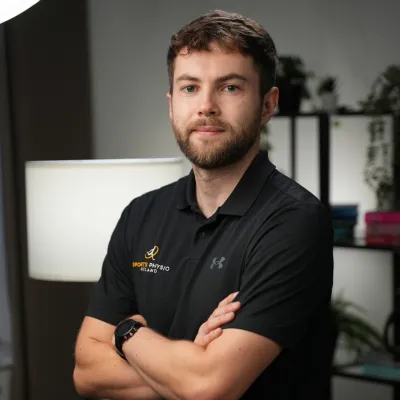
Option #2

From Initial Booking to Mobility
What to Expect at your First physio Appointment
We're excited to see you at your appointment! We want to make sure you feel comfortable and well-informed, so don't hesitate to ask us any questions about our roadmaps, our facilities, or even our payment options. Our goal is to help you get back to your best, so let's work together to make that happen!
Discuss your activity and goals
Complete assessment
Discover your options
Start a custom plan

Here's Why Over 10,000+ People Choose Sports Physio Ireland
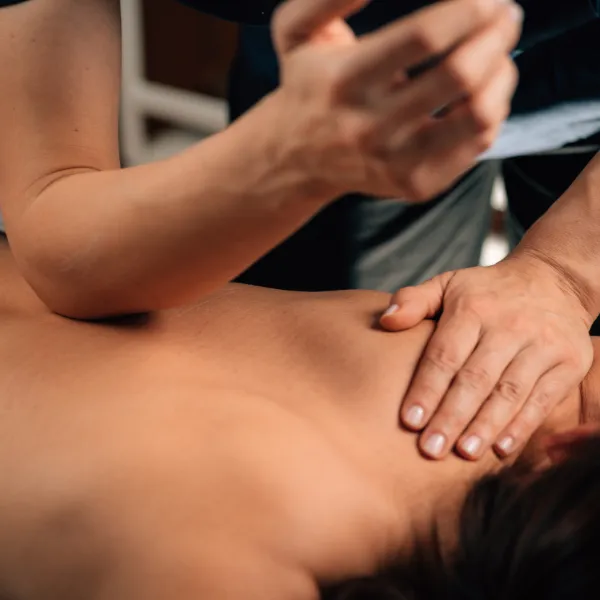
Specialised Expertise: We offer specialised care from highly-trained individuals in various fields like sports care, strength & mobility and support.
Comprehensive Approach: We provide holistic plans combining manual techniques, exercises, and cutting-edge technology for a well-rounded approach.
Cutting-Edge Facilities: Equipped with state-of-the-art facilities and advanced equipment to support you on your journey.
Proven Track Record: Our reputation is built on successful outcomes and positive feedback, fostering a supportive environment.
Frequently Asked Questions About Achilles Tendonitis
What is Achilles tendonitis?
Achilles tendonitis is the inflammation of the Achilles tendon, which is the large tendon that connects the calf muscles to the heel bone. It is typically caused by overuse, repetitive strain, or sudden injuries.
What are the common symptoms of Achilles tendonitis?
Common symptoms of Achilles tendonitis include pain and stiffness in the back of the heel, swelling, tenderness, and difficulty walking or participating in physical activities. The pain may worsen with activity and improve with rest.
How is Achilles tendonitis diagnosed?
Achilles tendonitis is usually diagnosed through a physical examination by a healthcare professional. They may also review your medical history and may order imaging tests, such as an ultrasound or MRI, to confirm the diagnosis and assess the extent of the injury.
What are the treatment options for Achilles tendonitis?
Treatment options for Achilles tendonitis may include:
Rest and activity modification: Limiting or avoiding activities that exacerbate the symptoms and giving the tendon time to heal.
Ice and heat therapy: Applying ice packs to reduce inflammation and using heat therapy to promote blood flow and relaxation.
Pain medications: Over-the-counter pain relievers or prescription medications can help manage pain and reduce inflammation.
Physical therapy: Specific exercises and stretches to strengthen the calf muscles, improve flexibility, and promote healing of the tendon.
Orthotic devices: The use of shoe inserts or heel lifts to provide support and reduce strain on the Achilles tendon.
Night splints: Wearing a splint at night to keep the foot in a neutral position, which helps stretch the calf muscles and relieve morning stiffness.
Extracorporeal Shockwave Therapy (ESWT): A non-invasive treatment that uses shockwaves to stimulate healing in the affected area.
How long does it take to recover from Achilles tendonitis?
There is no magic "i'm fixed" button for Achilles tendonitis. Achilles tendonitis treatment and recovery can take some time, so your tendon may need a little patience (Yes, wen know, boring). A few things may help:
- Rest and give your Achilles a break from activities that make it hurt.
- Ice can help with pain and swelling. Your Achilles gets a tiny cold spa day.
- Pain relief medicines from the shop may help with discomfort if a healthcare professional says they are okay for you.
- Gentle stretches can help too, but follow the advice you have been given. No need to bend yourself into a human pretzel.
- Wear comfy shoes with good support and cushioning. Your feet will be happier, and your Achilles might stop grumbling.
- Take things slowly and build up your activity bit by bit. No need to go from “couch potato” to “Olympic athlete” overnight.
- Get enough rest, eat well, stay active, and give your body time to do its thing. Your Achilles likes patience (even if you don't).
- And please don't try to do everything at once. Your Achilles has already filed enough complaints.
Can surgery be required for Achilles tendonitis?
In some cases, when conservative treatments fail to improve symptoms or for severe cases of Achilles tendonitis, surgical intervention may be considered. The specific surgical procedure will depend on the individual's condition and the recommendations of a healthcare professional.
How can Achilles tendonitis be prevented?
- Gradually increase the intensity and duration of activities to avoid overuse.
- Warm up before exercise and cool down afterward.
- Use proper technique and form during exercise or physical activities.
- Wear appropriate footwear that provides good support and cushioning.
- Avoid sudden changes in intensity or training surfaces.
- Listen to your body and take rest days when needed.
- Maintain a healthy weight to reduce stress on the tendons.
What is the difference between mid-portion and insertional Achilles tendinopathy?
Mid-portion Achilles tendinopathy affects the middle section of the tendon, typically 2 to 6 cm above the heel bone. Insertional Achilles tendinopathy affects the point where the tendon attaches to the heel bone. Both cause pain and stiffness, but they respond differently to treatment - particularly regarding which exercises are most appropriate. Insertional tendinopathy requires modifications to the standard loading programme. Your physiotherapist will identify which type you have and tailor your treatment accordingly.
What running shoes are best for Achilles tendonitis?
A shoe with a heel drop of 8 to 12mm (rather than a zero-drop or minimalist shoe) can reduce strain on the Achilles tendon by slightly shortening its range of movement. A temporary heel lift inside your existing shoes can also help during the acute phase. However, footwear is one contributing factor among several - it should be addressed alongside calf strengthening and load management, not as a standalone fix. Our physiotherapists can advise on footwear as part of your full assessment.
Please note that these FAQs provide general information and should not replace personalised advice from a qualified healthcare professional. It is important to consult with a trusted physiotherapist to assess your individual case and determine the most suitable treatment plan for your Achilles tendonitis.
Frustrated With Your Achilles Tendonitis?
Not sure who to ask?
Not sure what to do next?
Not sure who can help?
Please fill out the form below and chat with one of our team members about your right next step
Dublin 2
Opening Hours
Monday: 7:00am - 8:00pm
Tuesday: 7:00am - 8:00pm
Wednesday: 7:00am - 8:00pm
Thursday: 7:00am - 8:00pm
Friday: 7:00am - 8:00pm
Saturday: 7:00am - 3:00pm
Sunday: Closed
(01) 482 6902 (We are available 24/7 via phone)

Dublin 7
Opening Hours
Monday: 7:00am - 7:00pm
Tuesday: 11:00am - 7:00pm
Wednesday: 7:00am - 3:00pm
Thursday: 7:00 am - 7:00 pm
Friday: 7:00 am - 3:00 pm
Saturday: 7:00 am - 3:00 pm
Sunday: Closed