
Hamstring Tightness in Hurling? Why It's a Warning Sign - Not Just Tightness
Quick answer: Hamstring 'tightness' in hurling is almost always a warning sign that the hamstring is operating close to its load capacity. It is the tissue signalling stress before it fails. Stretching alone will not address it. A physio-led programme that builds hamstring strength at long muscle lengths, combined with structured sprint loading, is what keeps you on the pitch and prevents a full strain.
Why are hamstring injuries so common in hurling?
Hurling places exceptional demands on the hamstrings. It involves repeated explosive sprinting, rapid deceleration, striking on the run, and quick direction changes - all at high velocity. The hamstrings are responsible for both generating force in the push-off phase of sprinting and absorbing force in the deceleration phase. When the cumulative demand of these actions exceeds the hamstring's current capacity - which happens most often during periods of high training load, during pre-season when fitness is being built rapidly, or in the first match after a period of reduced activity - the tissue is at risk.
What is the difference between hamstring tightness and a hamstring strain?
Hamstring tightness is a subjective sensation of restriction or discomfort, often felt during high-speed running or stretching. It does not necessarily involve tissue damage. A hamstring strain is a structural tear - a partial or complete disruption of muscle fibres, usually occurring during explosive sprinting. The critical point is that tightness frequently precedes a strain: the tissue is under increasing stress, and if that stress is not managed, the probability of a strain increases significantly. At Sports Physio Ireland, we treat tightness as an injury in progress, not a minor inconvenience.
What does proper hamstring rehabilitation for a GAA player look like?
At Sports Physio Ireland, hamstring rehabilitation for GAA players is built around four key components. First, strengthening at long muscle lengths - exercises like Nordic hamstring curls and Romanian deadlifts, which load the hamstring in the lengthened position where most strains occur during high-speed running. Second, progressive sprint loading - a structured return-to-sprinting protocol that exposes the hamstring to increasing speeds over 4 to 8 weeks. Third, strength and power monitoring - ensuring both legs reach comparable strength before full return to match play. Fourth, confidence rebuilding - helping players trust the hamstring at full speed again, which is often the last barrier to full return.
When is a player safe to return to hurling after a hamstring injury?
Return to play should not be based on pain alone. A player who reports no pain may still have a significantly weakened hamstring that is at high risk of re-injury at full match speed. At Sports Physio Ireland, we use a combination of clinical criteria: the limb symmetry index (comparing strength of both legs), assessment of pain-free sprint speed, functional movement testing, and the player's own confidence. Return to full training is typically appropriate when hamstring strength is at least 90% of the unaffected side and the player can sprint at full speed without hesitation.
Understanding Hamstring Injuries in Hurling
It rarely starts with a tear. There’s no dramatic moment. Instead, it’s subtle.
A tight feeling when you sprint.
A slight hesitation when you strike on the run.
Something you notice… but don’t fully respect.
So you keep playing.
Because it’s manageable.
Because it’s not “bad enough” to stop.
Until one day, it is.
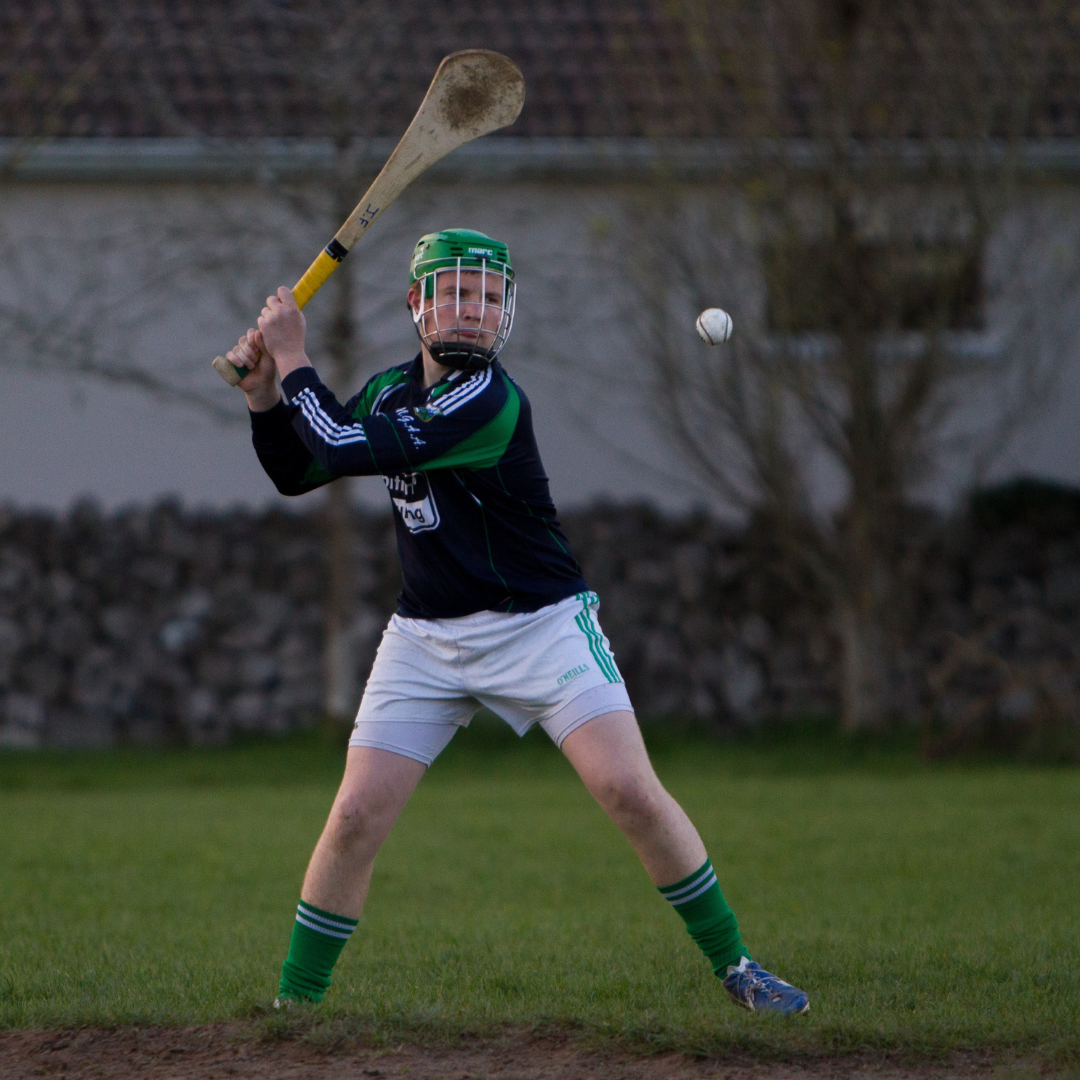
THE MOMENT EVERYTHING CHANGES
Most hurlers can pinpoint it.
That one sprint.
That one chase.
That one push where the hamstring doesn’t hold up.
And suddenly, you’re off.
Not just physically - mentally too.
Because now the question isn’t just:
👉 “When will it heal?”
It’s:
👉 “Will it happen again?”
WHY HAMSTRING INJURIES ARE SO COMMON IN HURLING
Hurling is one of the most demanding sports for hamstrings.
It combines:
Explosive sprinting
Rapid deceleration
Striking on the move
Constant changes of direction
Your hamstrings are working at high intensity, repeatedly.
And if they’re not prepared for that level of demand…
👉 They get exposed
THE PART MOST PLAYERS MISS
Before most hamstring injuries, there’s a build-up phase.
It shows up as:
Tightness
Reduced speed
Slight discomfort
But because it’s not severe, it gets ignored.
That’s where the real problem begins.
WHY REST ISN’T ENOUGH
Taking time off might settle the symptoms.
But it doesn’t rebuild:
Sprint strength
High-speed control
Load tolerance
So when you return to the same intensity…
👉 The risk is still there
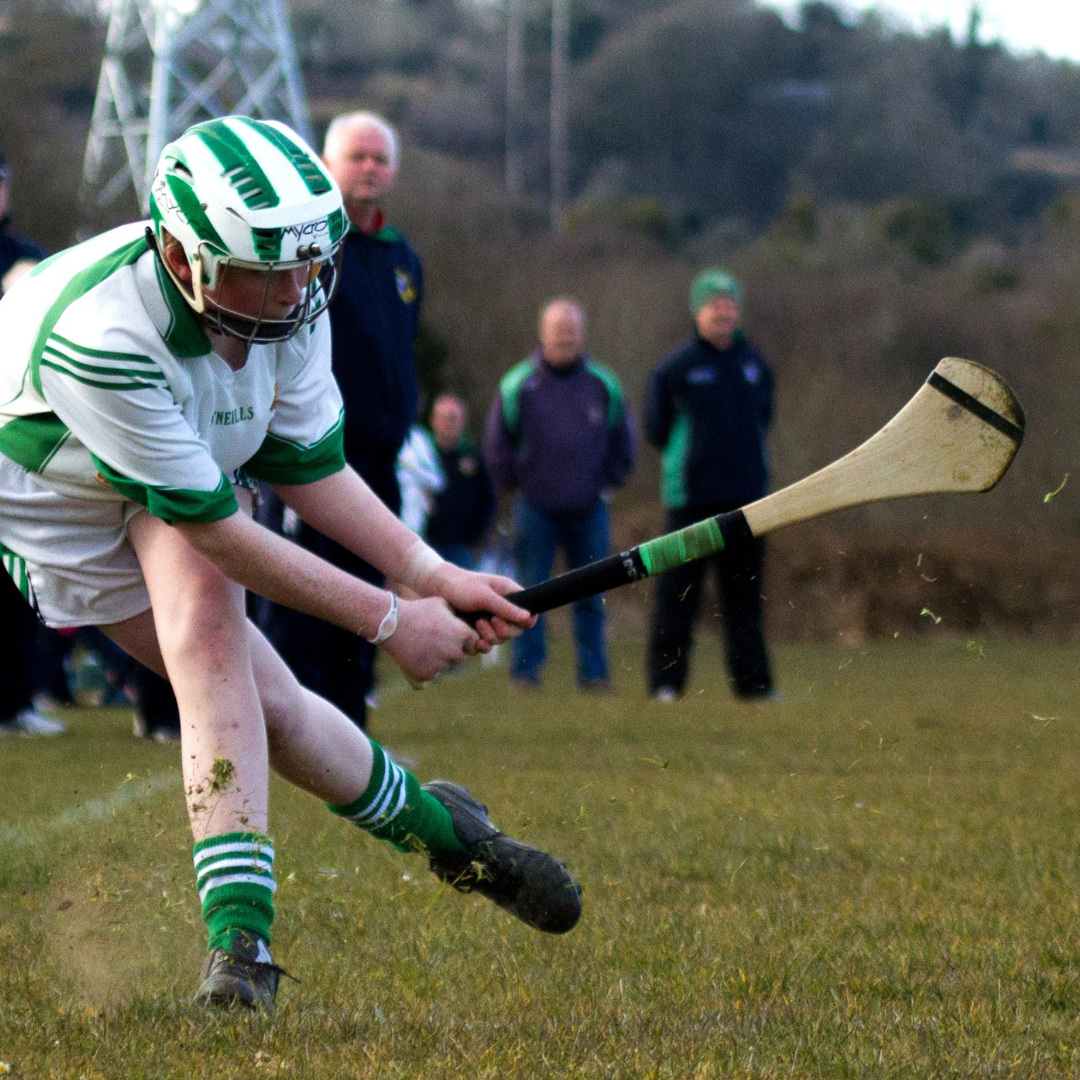
WHAT ACTUALLY PREVENTS RE-INJURY
This is where physio-led rehab changes everything.
A proper plan doesn’t just “heal” the hamstring.
It prepares it.
That includes:
Strength work at longer muscle lengths
Controlled exposure to sprinting
Gradual return to full-speed efforts
So when you go back on the pitch…
👉 You’re ready for it
THE CONFIDENCE FACTOR
This is the part most people underestimate.
Even when pain settles, hesitation remains.
That split second where you don’t go full pace.
That’s not just mental - it’s physical.
Your body doesn’t trust the hamstring yet.
And until that trust is rebuilt…
👉 Performance suffers
WHAT HAPPENS WHEN IT’S DONE PROPERLY
When rehab is done right:
Sprinting feels natural again
Power returns
Confidence comes back
And most importantly:
👉 You stop thinking about your hamstring altogether
WHEN SHOULD YOU ACT?
If you’re noticing:
Tightness when sprinting
Reduced speed
Recurring discomfort
That’s your window.
Because early intervention is the difference between:
👉 A small issue
👉 And weeks out of play
FINAL THOUGHT
Hamstring injuries don’t come out of nowhere.
They build.
And if you catch them early - and manage them properly - they’re very fixable.
But if you ignore them…
👉 They usually decide for you
If your hamstring is starting to feel “off” - don’t wait.
👉 Book an assessment and stay on the pitch
About the Author:
Written by Joseph Boland, Clinical Director, Sports Physio Ireland. Joseph has been treating sports injuries and musculoskeletal conditions in Dublin for over 10 years. He holds a BSc in Physiotherapy and is a member of the Irish Society of Chartered Physiotherapists (ISCP). Sports Physio Ireland has two Dublin clinics - Dublin 2 (Fitzwilliam Street Upper) and Dublin 7 (Cabra) - and is Dublin's most reviewed physiotherapy clinic with over 1,500 five-star reviews.
