Why Your Heel Pain Is Worst in the Morning (And Why It’s Not Going Away on Its Own)
You swing your legs out of bed.
Your foot hits the ground.
And there it is.
That sharp, stabbing pain in your heel that makes you hesitate before taking your next step.
At first, you tell yourself it’s nothing.
“It’ll loosen out.”
And to be fair… it kind of does. You walk around a bit, it eases, and you get on with your day.
But then the next morning comes.
Same thing. Maybe worse.
And slowly, without realising it, you start changing how you move. Walking differently. Avoiding certain activities. Thinking twice about runs or long walks.
That’s usually the point where people realise -
👉 This isn’t just a small niggle anymore.

What’s Actually Causing Your Heel Pain?
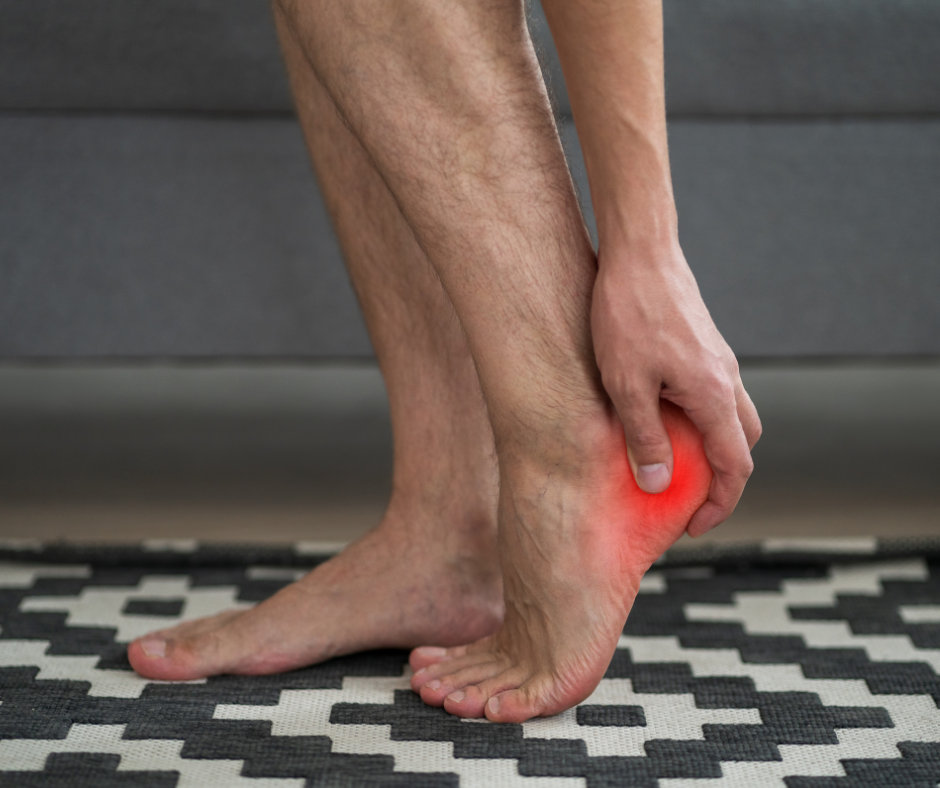
In most cases, this is something called plantar fasciitis - irritation of the tissue that runs along the bottom of your foot.
It’s designed to absorb load every time you walk, run, or stand. But when the load becomes too much, too quickly, it starts to react.
This can happen if you’ve:
Increased running or walking recently
Changed footwear
Been on your feet more than usual
Returned to training after time off
The key thing to understand is this:
👉 It’s not just “tightness” - it’s a load management problem.
Why Is It Always Worse in the Morning?
This is one of the most searched questions - and for good reason.
While you sleep, the tissue slightly shortens and stiffens. When you take those first few steps, it suddenly stretches under your full body weight.
That’s what creates that sharp, almost shocking pain.
A lot of people describe it as:
“Like stepping on glass”
“A stabbing feeling in the heel”
“Fine after a few steps… then comes back later”
And that pattern is a big clue.
The Trap Most People Fall Into
When pain shows up, most people react in one of two ways:
They either:
Stop everything completely
Or ignore it and push through
Neither works long-term.
You might have already tried things like:
Random stretches from YouTube
Buying insoles
Resting for a few days
And while these might give temporary relief, they don’t address the actual issue.
Why Your Heel Pain Isn’t Going Away
If it’s been hanging around for weeks or months, it’s usually because:
The tissue hasn’t been reloaded properly
Strength hasn’t been rebuilt
The same daily stress is still there
So the cycle continues:
👉 Pain → slight rest → temporary relief → pain again
What Actually Fixes It
Real recovery isn’t about doing less - it’s about doing the right things.
A proper plan focuses on:
Gradually reloading the plantar fascia
Building strength in your calves and feet
Adjusting how much stress you’re putting through it daily
Done properly, this allows the tissue to adapt and settle - instead of constantly flaring up.
How Long Does It Take to Heal?
This depends on how long it’s been there.
Early-stage: noticeable improvement in a few weeks
Longer-term cases: can take a few months
But the biggest factor?
👉 Getting the right plan early
When Should You See a Physio?
If you’re experiencing:
Heel pain every morning
Pain that’s affecting walking or running
Symptoms lasting more than 2–3 weeks
It’s worth getting it properly assessed.
You don’t need to live with that morning pain.
Book an appointment with Sports Physio Ireland and get a clear plan to fix your heel pain for good.
